DIY renovation waste removal in Mayfair for landlords
Posted on 18/06/2026
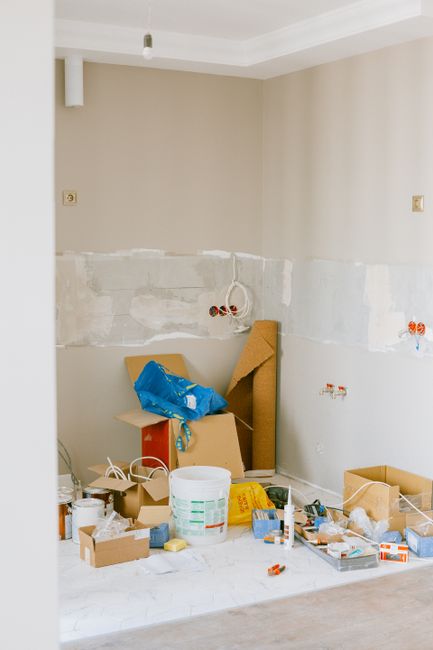
DIY Renovation Waste Removal in Mayfair for Landlords: A Practical, Local Guide
If you are a landlord in Mayfair, renovation waste has a habit of building up fast. One minute a flat is being refreshed between tenancies, the next you are looking at plasterboard, old carpets, broken skirting, packaging, chipped tiles, and a very unhelpful pile in the hallway. DIY renovation waste removal in Mayfair for landlords can work well, but only if you approach it with a bit of structure. In a high-value, busy part of London, the details matter: access, timing, neighbour relations, safety, and how the waste leaves the property all shape the outcome.
This guide breaks the process into plain English. You will see when DIY removal makes sense, how to organise it properly, what landlords often overlook, and where a more professional approach can save you hassle. If you manage properties in the area, you may also find it useful to browse the wider services overview and the company's notes on recycling and sustainability before planning your next refurb. It's not glamorous work, truth be told, but done well it protects your schedule, your reputation, and the condition of the building.
Why DIY renovation waste removal in Mayfair for landlords Matters
Renovation waste is not just "rubbish". For landlords, it is part of the turnaround process between occupancies, and in Mayfair that process often needs to be quick, discreet, and tidy. A flat or house may be due for new flooring, a kitchen refresh, or a full property update before viewings. Waste left behind can slow every next step, and in a neighbourhood where presentation counts, a single messy skip or overflowing pile can feel very out of place.
There is also the practical side. If you are managing one property, you may be handling your own labour, your own schedule, and a tight refurbishment window. If you are overseeing several units, waste can become a coordination issue. A few bags here, a wardrobe there, and suddenly a simple job turns into three separate trips. The DIY route can be cost-conscious, but only when the waste stream is small enough to control and you have the time to do it safely.
Mayfair brings a few extra realities into play. Access can be awkward. Parking may be limited. Shared entrances can be busy. And tenants, neighbours, concierges, or building managers may have very clear expectations about noise and cleanliness. That is why waste removal is not a bolt-on task. It sits right in the middle of the refurbishment plan. If the property is also being prepared for sale, you might find the wider context in selling houses and estates in Mayfair useful, because staging, presentation, and timing all overlap.
Expert takeaway: DIY renovation waste removal works best when the waste volume is predictable, the route out of the property is simple, and you have a clear disposal plan before the work starts. Otherwise, the "cheap option" can become the expensive one.
How DIY renovation waste removal in Mayfair for landlords Works
The DIY process is straightforward on paper. In practice, it needs a bit of planning. The core idea is simple: separate renovation waste as you produce it, move it safely to a holding point, load it into a suitable vehicle, and take it to an appropriate disposal route. The trick is making each step efficient enough that it does not interrupt the renovation itself.
Most landlords start by identifying the type of waste involved. Renovation debris usually falls into familiar groups: inert material like rubble and tiles, mixed builders' waste such as timber, plasterboard, and packaging, bulky items like baths or wardrobes, and occasional items that need special handling. Once you know what you are dealing with, it becomes easier to decide whether a small van run, a planned series of trips, or a booked clearance service is the smarter move. For bigger refurbishments, the company's builders waste disposal in Mayfair page is a sensible reference point for the kind of waste usually generated during building work.
Next comes the property logistics. Where will the waste be staged? How will it move through the building? Can lifts be used? Are there any building rules about coverings, time slots, or loading arrangements? In some Mayfair properties, a simple question like "where do we put the old kitchen cabinets?" can become a 20-minute conversation with the porter. Better to sort that before the screwdriver comes out.
Finally, there is disposal. DIY does not mean careless. Waste still needs to go somewhere lawful and sensible. Sorting materials well can help recycling outcomes, and using the right route reduces the chance of contamination. If you are dealing with multiple waste types, it may be useful to compare that to a broader waste clearance in Mayfair approach rather than treating every bag as the same thing.
Key Benefits and Practical Advantages
There are genuine advantages to handling renovation waste yourself, especially if the project is modest and you already have the time and equipment. The biggest one is control. You decide when waste is removed, what gets kept, what gets sorted, and how quickly the space is cleared. For landlords who like to keep a close eye on refurb budgets, that control can be reassuring.
Another benefit is flexibility. If a small job finishes earlier than expected, you are not tied to someone else's collection window. If a contractor leaves waste in phases, you can clear as you go rather than waiting for a large pile to appear. That can keep the property cleaner and reduce the odd, dusty bottleneck that seems to happen around day three of any renovation. You know the one.
DIY waste removal can also help when the refurbishment is happening between tenants and the timeline is tight. A stripped-out bedroom or hallway can look alarming if debris sits there for days. Clearing it promptly can improve working conditions for tradespeople and help you spot issues such as damp patches, damaged plaster, or remaining fixings sooner. That makes your inspection work cleaner as well.
There is also a small but real reputational angle. In a premium area like Mayfair, landlords often need to show care, attention, and responsiveness. A tidy refurbishment environment reflects well on the property itself. It does not need to be theatrical. Just neat, calm, and under control. If you are dealing with a vacant property that needs a full reset, house clearance in Mayfair may be the more efficient route for larger clear-outs, but for smaller renovation stages, DIY can still be a perfectly sound option.
Who This Is For and When It Makes Sense
This approach is best suited to landlords who are managing light to medium renovation waste and want hands-on oversight. If you are replacing a bathroom, refreshing a kitchen, removing old fixtures, or tackling a few rooms between tenancies, DIY waste removal can be a reasonable fit. It is especially useful when you are already on site, or when your managing agent is keeping things moving and you just need a clean, simple system.
It also makes sense when the waste is mostly non-hazardous and easy to sort. Cardboard packaging, old wood, packaging film, broken fittings, and general refurbishment debris are the usual candidates. On the other hand, if the project includes large volumes of heavy rubble, awkward access, or materials that need special handling, the DIY option can become a bit much. Not impossible. Just more hassle than it first looks.
A landlord might choose DIY removal when:
- the renovation is relatively small or phased
- the waste is predictable and not contaminated
- the property has workable access for moving waste out
- there is time to separate and load items safely
- the goal is to keep control of timing and costs
It is less suitable when the property is occupied, when shared parts of the building are sensitive to disruption, or when the volume of debris is enough to require multiple clearances. In those cases, a service aligned with rubbish removal in Mayfair or a more targeted collection can reduce friction and save a lot of repeated lifting.
Step-by-Step Guidance
Here is the practical version. No fluff.
- Assess the waste before work starts. Walk through the property and note what will come out: fixtures, flooring, packaging, broken materials, or old furniture. Do this room by room if needed. A rough list is enough, but it should be honest.
- Decide what can be reused, sold, donated, or recycled. Not everything needs to go straight into the bin. Some items may be worth keeping for spares, especially on older properties where matching fittings matters.
- Set up sorting zones. Use separate piles or bags for timber, general renovation waste, cardboard, and heavier debris. A little sorting at the start saves a lot of head-scratching later.
- Protect the route out of the building. Door frames, lifts, and common hallways should be kept clean and protected. In Mayfair, that matters more than people admit. Dust in shared space is the sort of thing everyone notices.
- Use the right moving equipment. Trolleys, dust sheets, gloves, and sturdy sacks matter. If a load is too heavy for one person, it is too heavy. That is not heroism; that is a shoulder injury waiting to happen.
- Plan the loading order. Put heavier items at the bottom and lighter waste on top. Secure everything properly. Loose debris flying around a vehicle is nobody's idea of a good Tuesday.
- Dispose of waste through the correct route. If you are taking materials yourself, make sure the destination is suitable for the waste type. If the volume is bigger than expected, stop and rethink rather than making a half-dozen rushed trips.
- Do a final sweep. Check corners, under cupboards, behind radiators, and around the lift lobby if relevant. Landlords often spot a missed pile only after the contractor has gone. Annoying, but common.
If the project is growing beyond "simple clear-out" territory, it may be useful to look at the company's broader waste clearance in Mayfair approach rather than forcing DIY all the way through.
Expert Tips for Better Results
In our experience, the biggest DIY wins come from small decisions made early. The most useful tip is to separate waste as it is produced, not after the room has been stripped bare. Once everything is mixed together, even a tidy property becomes a messy sorting job. And nobody wants to spend a Friday morning trying to work out whether a bag contains plasterboard or packaging wrap.
Try to align waste removal with the renovation schedule. For example, remove demolition waste before the new materials arrive. That sounds obvious, but it is often skipped. A hallway full of rubble and a delivery of new flooring do not sit well together. Nor do they smell especially pleasant after a damp night. Fresh materials should not share space with old debris if you can avoid it.
Keep an eye on access windows. In multi-occupancy buildings, there may be times when lifts are busy, service routes are restricted, or neighbours are less forgiving. Early morning or mid-afternoon often feels easier than the rush around school runs, deliveries, or evening returns. You will notice the difference straight away.
Use smaller, manageable loads if you are handling waste yourself. It is tempting to cram everything in and "just get it done", but overloading bags and trolleys tends to create more problems than it solves. One sharp edge, one split sack, one bad lift, and the whole rhythm of the job changes. Better to be slightly slower and much safer.
Lastly, think about what the cleared space says to the next person who sees it. A properly cleared room helps contractors work faster, helps agents photograph better, and helps prospective tenants or buyers imagine the end result. That is especially relevant if the refurbishment is part of a broader Mayfair real estate investment strategy, where presentation and timing really do matter.

Common Mistakes to Avoid
The first common mistake is underestimating volume. Landlords often think a bathroom rip-out will produce "a few bags", then discover a stack of tiles, broken boards, packaging, sealant tubes, and odd fittings they forgot were there. It adds up quickly. Always leave more room in your plan than you think you need.
Another mistake is mixing everything together. Mixed waste is harder to manage, harder to sort, and less likely to support good recycling outcomes. It also makes loading more awkward. A clean separation between rubble, timber, metal, cardboard, and general waste is well worth the effort.
People also underestimate access. A Mayfair property may look easy to move through until you are trying to carry bulky boards down a narrow stairwell or through a shared entrance with an impatient lift schedule. If access feels tight, it probably is. Do not wait until the day of removal to discover that the wardrobe is too wide for the corridor.
A fourth mistake is ignoring the timetable around tenants, neighbours, or building management. Even a quiet refurbishment can become a nuisance if waste is dragged through common spaces at the wrong time. Simple courtesy goes a long way. So does a quick message before a heavy removal day.
And yes, another classic one: saving the "safe" pile for later and then forgetting it entirely. That spare radiator valve, those half-used boxes of fittings, the offcuts from the kitchen install - they can sit in a corner for weeks. Then one day they are somehow part of the clutter again. Very annoying.
Tools, Resources and Recommendations
DIY renovation waste removal works better when the landlord has the right basic tools. Nothing fancy. Just practical kit that keeps the job moving and reduces strain.
- Heavy-duty rubble sacks for dense, smaller debris
- Sturdy gloves with decent grip and puncture resistance
- Dust sheets and floor protection for shared hallways and routes
- Hand trolley or sack truck for heavier items and repeated trips
- Clear labels or marker pens for sorting piles and containers
- Face mask and eye protection when dust or fine particles are involved
- Straps or ties to secure loads in transit
For landlords handling more than a small refresh, it can also help to compare your own setup with the kind of support described in builders waste disposal in Mayfair. Even if you do not book a service, the service description can help you sanity-check whether your DIY approach is realistic for the scale of the job.
Two other pages are worth a look for planning purposes: pricing and quotes if you want to compare the cost of doing it yourself against outsourcing, and insurance and safety if you need a reminder of the risk side, especially where lifting, access, or shared areas are involved.
One practical recommendation: keep a simple waste log. It does not need to be formal. A few notes in a phone or notebook about what was removed, when, and by whom can help if there is any question later about missing items, contractor responsibility, or the amount of waste generated during the refurb.
Law, Compliance, Standards, or Best Practice
For landlords, waste removal is not just a tidiness issue. There is a duty of care element as well. In plain terms, waste should be handled responsibly, passed to the right person or facility, and not dumped casually because it is inconvenient. That applies whether you do the removal yourself or ask someone else to do it.
If you are working in a rental property, especially in a managed building, it is sensible to check building rules around waste movement, lift use, and contractor access. Some buildings in Mayfair have stricter housekeeping expectations than others. A small advance conversation can avoid awkwardness later. It also helps to keep evidence of how waste was removed and where it went, just as you would keep records for the refurbishment itself.
Best practice usually means:
- separating waste types where practical
- avoiding overloading bags or vehicles
- keeping shared areas clean and unobstructed
- using appropriate protection for people and property
- choosing lawful disposal routes only
Where electrical items, paint, adhesives, or similar materials are involved, treat them cautiously and do not assume they can be mixed in with ordinary construction debris. If you are unsure, it is wiser to pause and check than to make a guess. That is one of those moments where a few extra minutes saves a lot of trouble. The same careful attitude applies to recycling and sustainability, particularly if you are trying to reduce mixed waste and keep the project cleaner from start to finish.
Options, Methods, or Comparison Table
There are usually three sensible ways to handle renovation waste in a Mayfair rental property. The right choice depends on volume, access, urgency, and how hands-on you want to be.
| Method | Best for | Pros | Watch-outs |
|---|---|---|---|
| DIY removal by landlord | Small to medium refurb jobs with manageable waste | Lower direct cost, full control, flexible timing | More labour, more time, higher risk of mistakes |
| Mixed approach | Jobs where the landlord clears some waste and outsources the rest | Balances cost and convenience, useful for phased projects | Needs careful planning so waste does not pile up |
| Professional waste collection | Larger, urgent, or access-sensitive refurbishments | Fast, less physical effort, reduced disruption | Higher upfront cost, less direct control |
A mixed approach is often the sweet spot. Landlords do the lighter organising and sorting, then bring in help when the heavy lifting starts. That can be especially useful in Mayfair, where access and presentation matter as much as the waste itself. If the project is more office-like, perhaps a managed block or a home being repurposed, you might even compare it with office clearance in Mayfair because the same principles of access, scheduling, and discretion often apply.
Case Study or Real-World Example
Imagine a landlord refurbishing a one-bedroom flat off a quiet Mayfair street between tenancies. The work includes removing an old carpet, replacing a tired kitchen splashback, and taking out some dated built-in shelving. Nothing enormous. But the waste is awkward: rolls of underlay, timber offcuts, a few cracked tiles, flattened boxes, and old fittings that do not stack neatly.
Instead of waiting until the flat is full of debris, the landlord separates waste as each room is finished. The carpenter leaves timber in one pile, the decorator bags packaging separately, and the landlord keeps a small protected staging area by the entrance. A trolley is used for the heavier items, and waste is loaded in two smaller trips rather than one overfilled run. The hallway stays clean, the porter is not inconvenienced, and the property is ready for its final clean without a last-minute scramble.
What made it work? Not a miracle. Just a clear plan, a manageable scope, and a bit of realism about the limits of DIY. If the same flat had been stripped back to bare bones with plasterboard, bathroom debris, and bulky cabinetry, the balance might have shifted towards a more formal collection. That is the point, really. DIY is not a badge. It is a decision.
For landlords who want to understand how local timing and access can affect the day, the article on fast rubbish removal on Brook Street is a helpful local read, and same-day junk removal in Mayfair shows how quickly waste issues can become time-sensitive.
Practical Checklist
Use this checklist before the work starts. It keeps things calm, which is underrated.
- Identify all likely waste types before renovation begins
- Confirm access routes, lift use, and any building restrictions
- Set up clear sorting areas inside the property
- Protect floors, doorways, and shared spaces
- Arrange suitable bags, trolleys, gloves, and coverings
- Separate heavy, sharp, dusty, and bulky items
- Decide what can be reused or recycled
- Plan when waste will be taken out, not just where it will go
- Keep a simple record of waste removed and by whom
- Do a final sweep before handing the property back to contractors or tenants
If you want to think beyond waste and into the wider property picture, local advice about moving to Mayfair and the area's lifestyle overview can help frame what tenants and buyers often expect from a well-kept home.
Conclusion
DIY renovation waste removal in Mayfair for landlords is absolutely workable when the job is planned, the waste is manageable, and the property layout is on your side. It gives you control, can reduce unnecessary spend, and helps keep refurbishments moving at the pace landlords usually need. But it only pays off when you stay realistic about volume, access, and safety.
The best results tend to come from a calm, methodical approach: sort early, protect the property, keep the route clear, and know when the job has crossed the line from practical DIY into "this would be easier with help". There is no shame in that. In fact, that judgement is part of good property management.
Get a free quote today and see how much you can save.
And if you are weighing up the broader property lifecycle, from investment decisions to final presentation, the relevant Mayfair pages above can help you connect the dots without overcomplicating things. A tidy property always feels better. Always.



 Tipper Van - Junk Clearance and Rubbish Removal Prices in Mayfair, W1K
 Luton Van - Junk Clearance and Rubbish Removal Prices in Mayfair, W1K